AFRO
HOUSE
Architecture
for
( the )
reasonably
ordinary
A modular housing concept built to meet the UK’s urgent demand with higher quality, greater flexibility and genuine social value. Designed for green, grey or brownfield sites at around 50 dwellings per hectare, it offers an off-the-shelf, customisable solution for homes that are affordable to everyone without compromising on design.
It’s not just a house—it’s a movement for equity, sustainability and community power.
Architecture
for
( the )
Reasonably
Ordinary
“
Nothing is too good for ordinary people
“
Nothing is too good for ordinary people
“
Berthold
Lubetkin
equality
in living
Vision
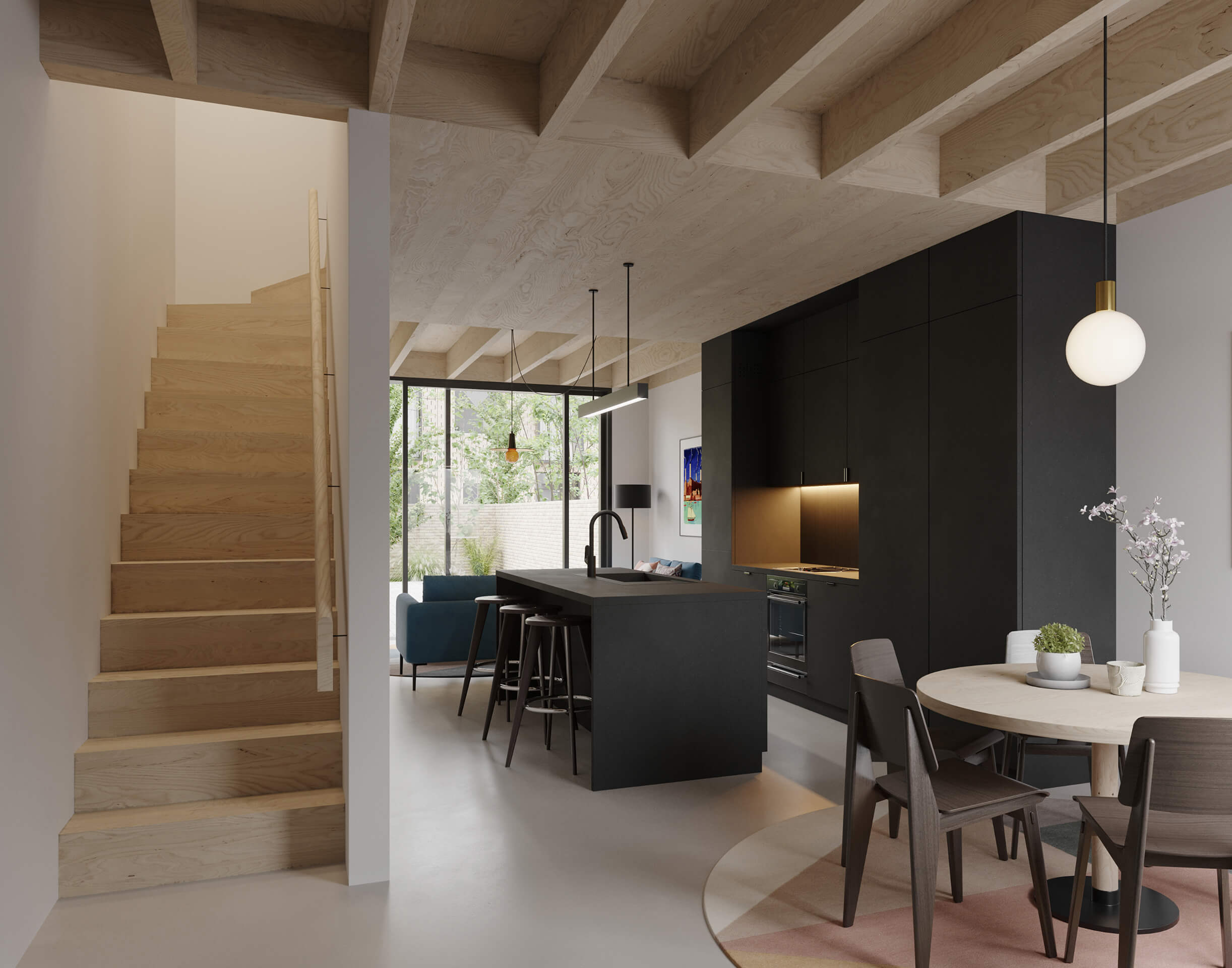
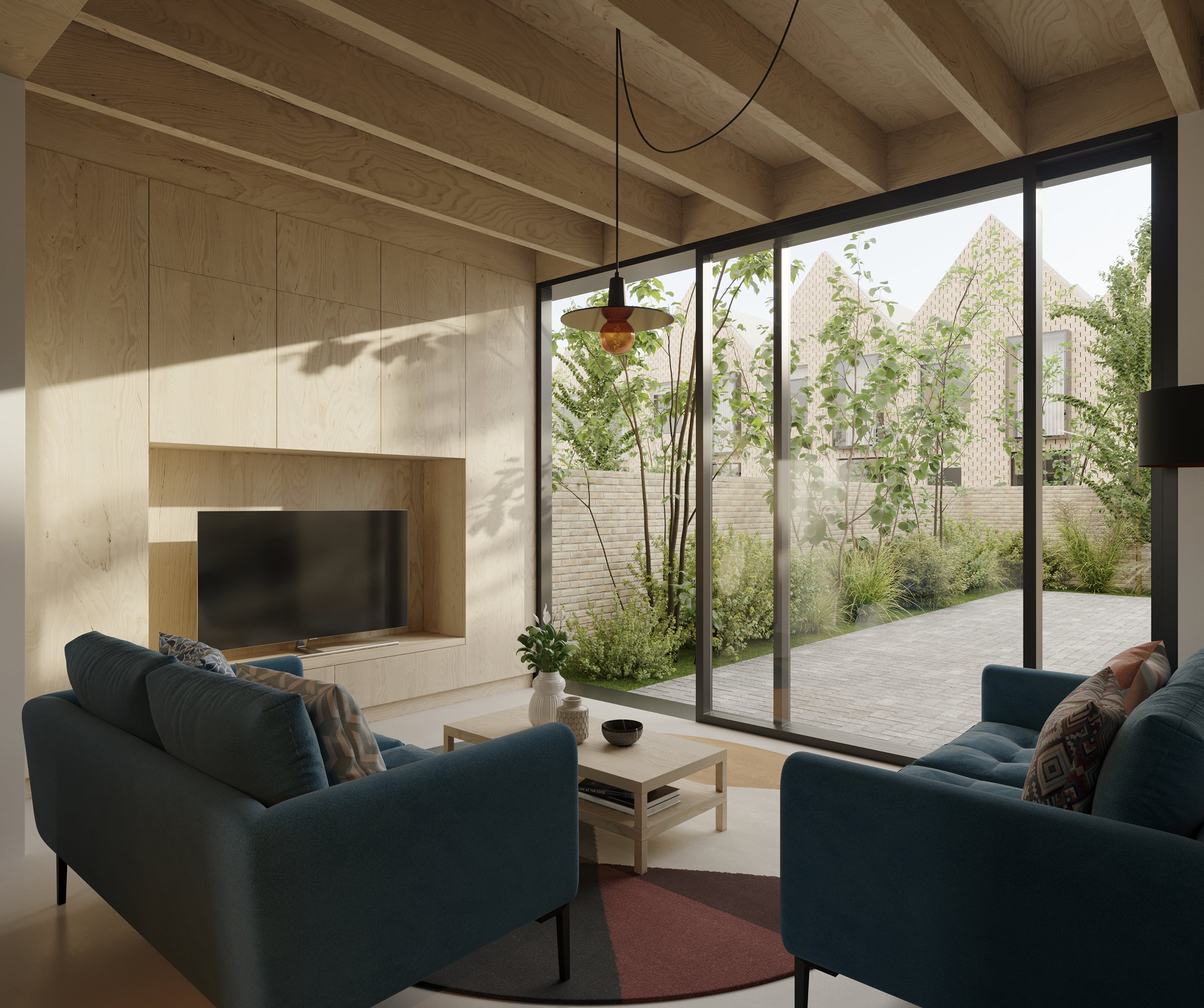
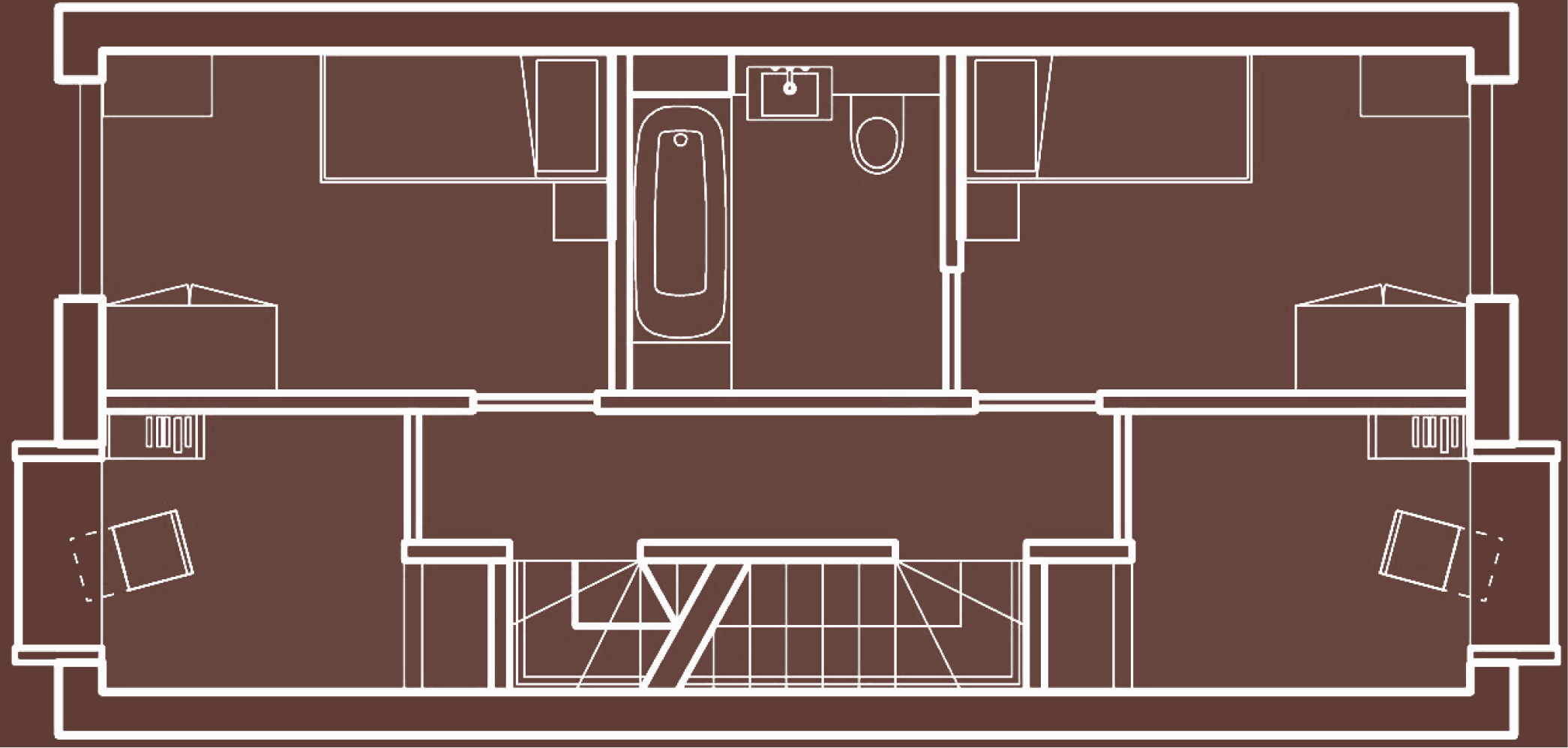
FLEXIBILE LAYOUTS
community conscious
Open or Closed Plan Living modules across floors
Pattern Book options to Reflect Local Character
Single / Double / En-Suite Bedroom Options
Flexible Layouts to Support Changing Needs
Home Office Ready Layouts from the get-go
Third Level Option for Intergenerational Living
Modular
Construction
Efficient
replicable
scalable
with adaptable layouts
We reject the copy-paste standardisation of volume housing, and instead fully embrace systems for mass customisation.
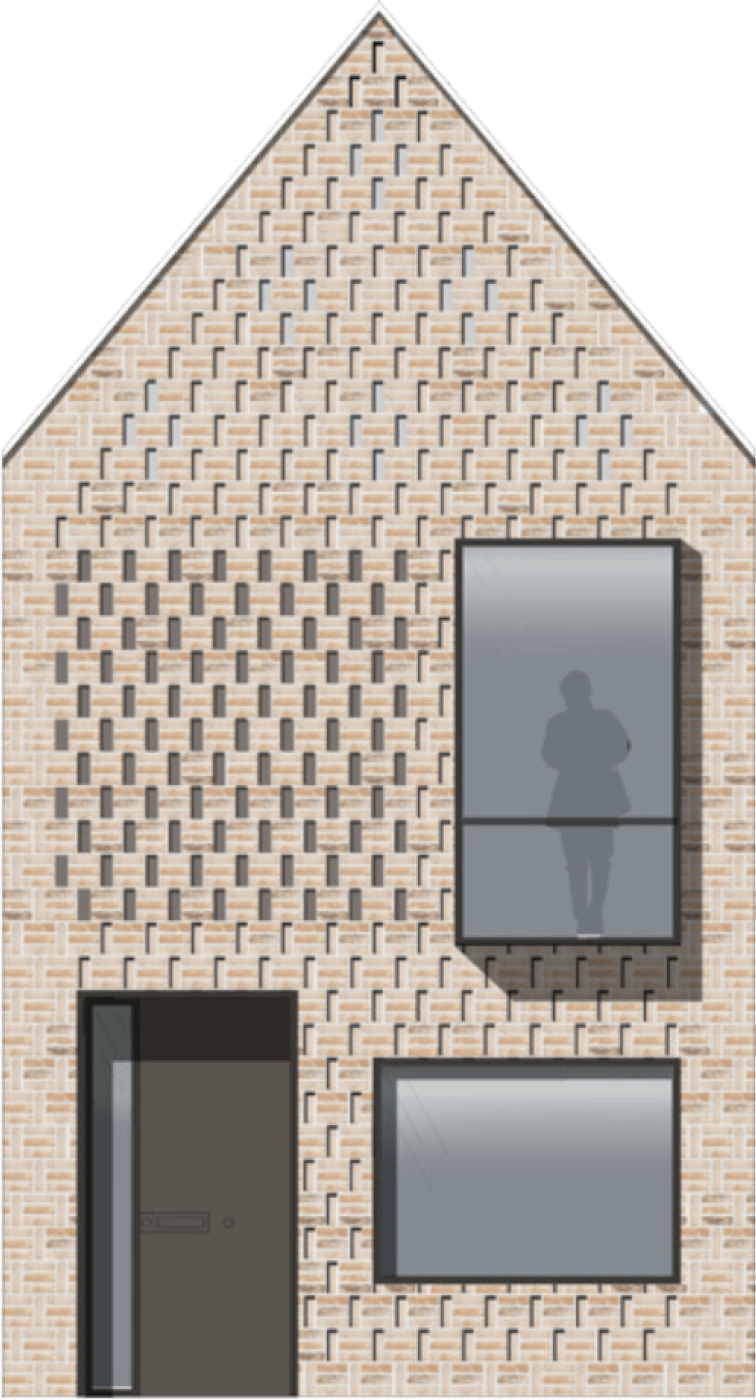
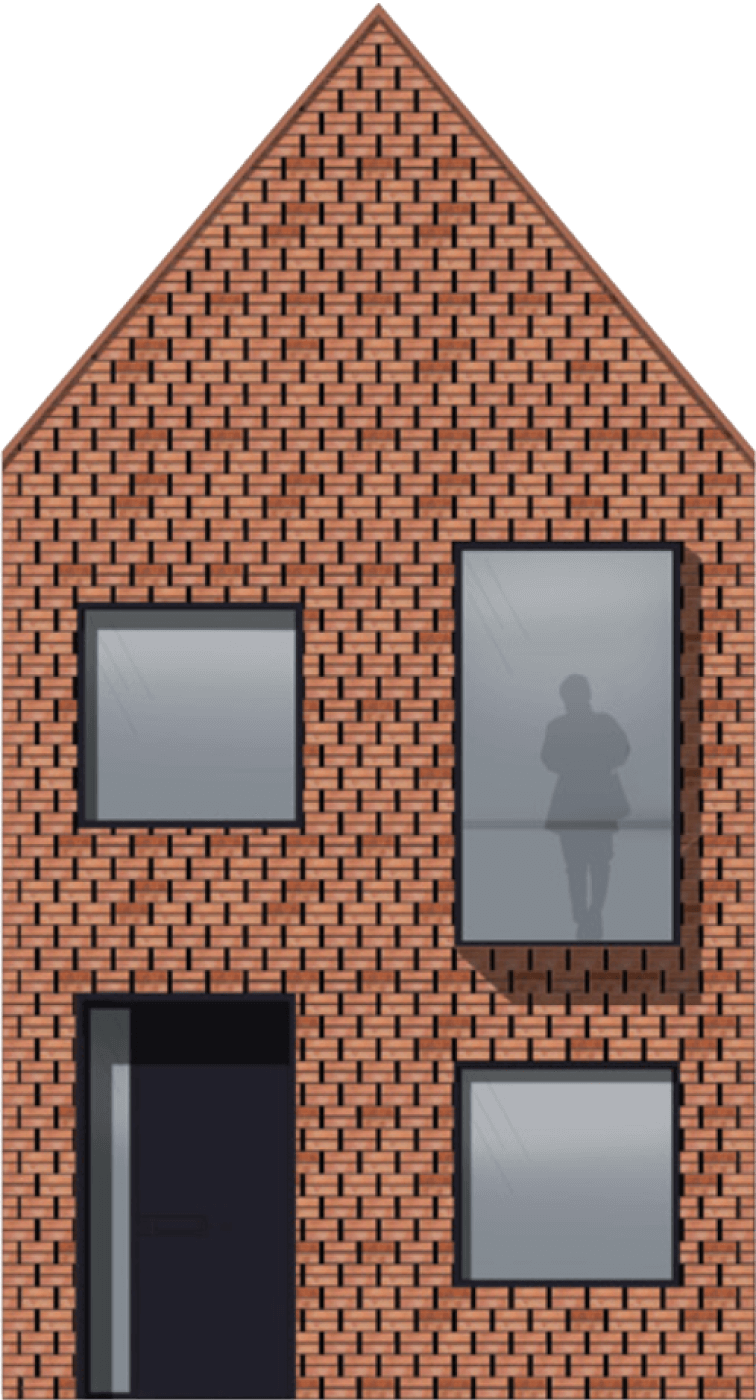
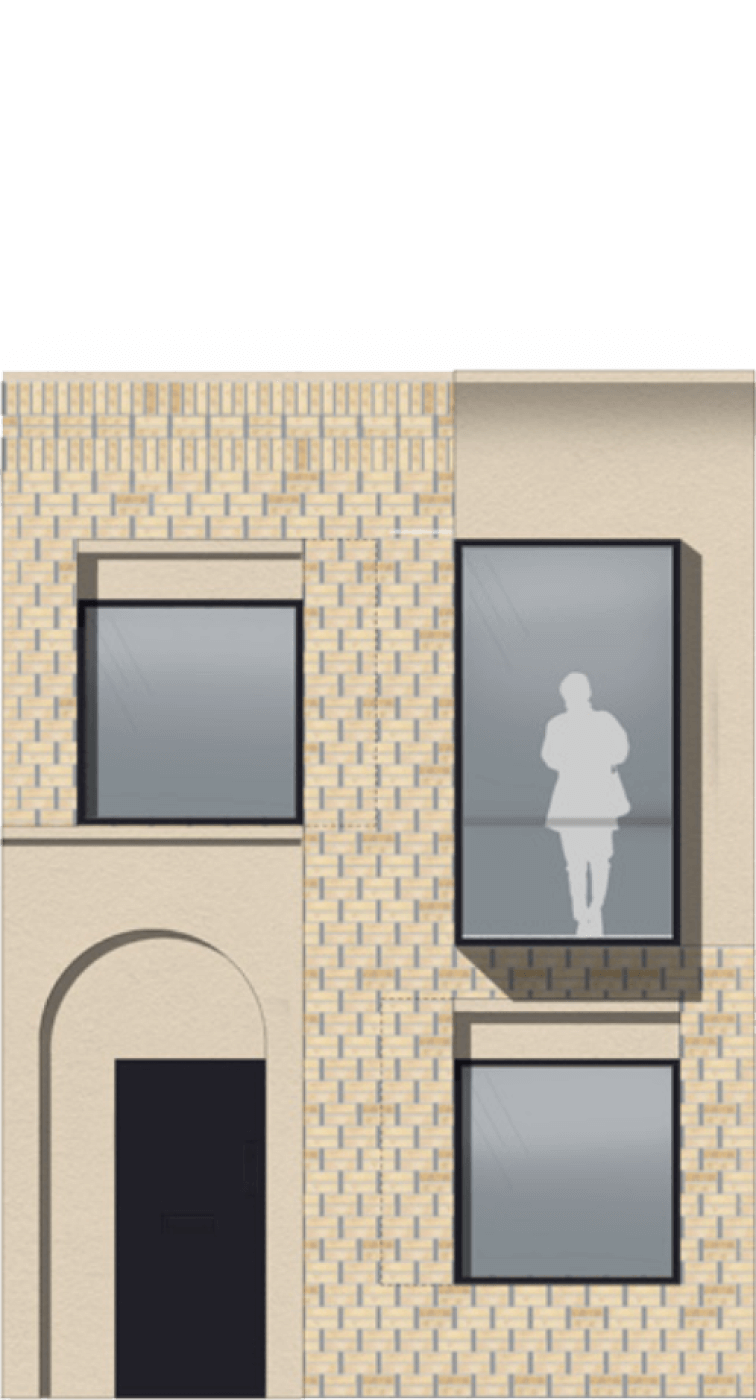
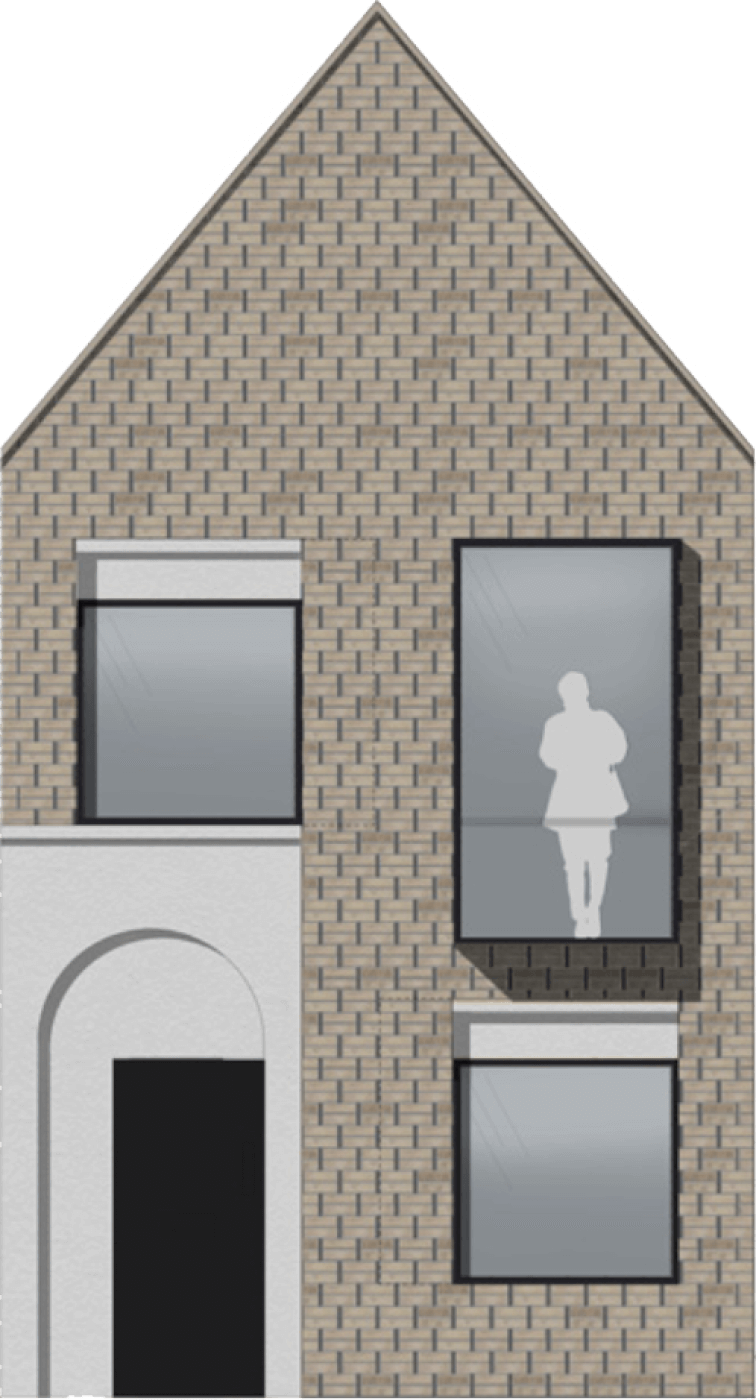
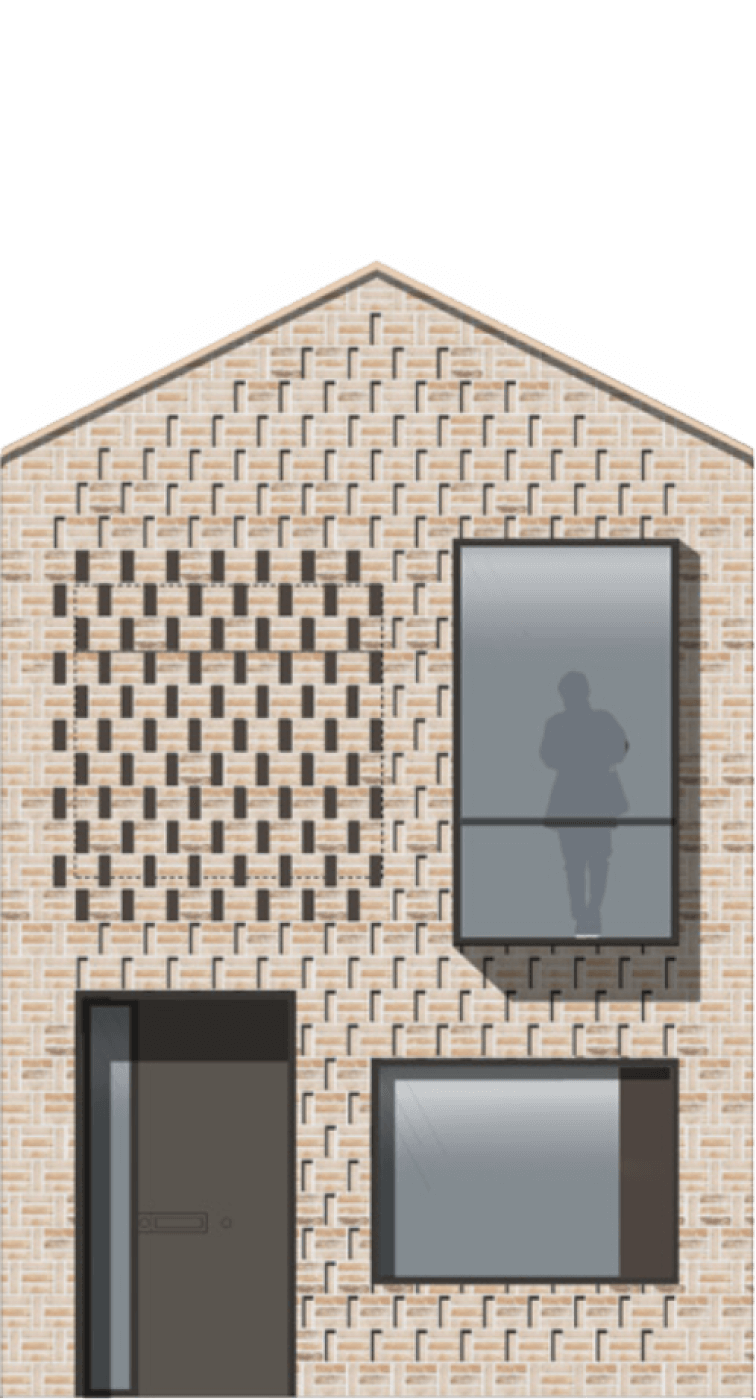
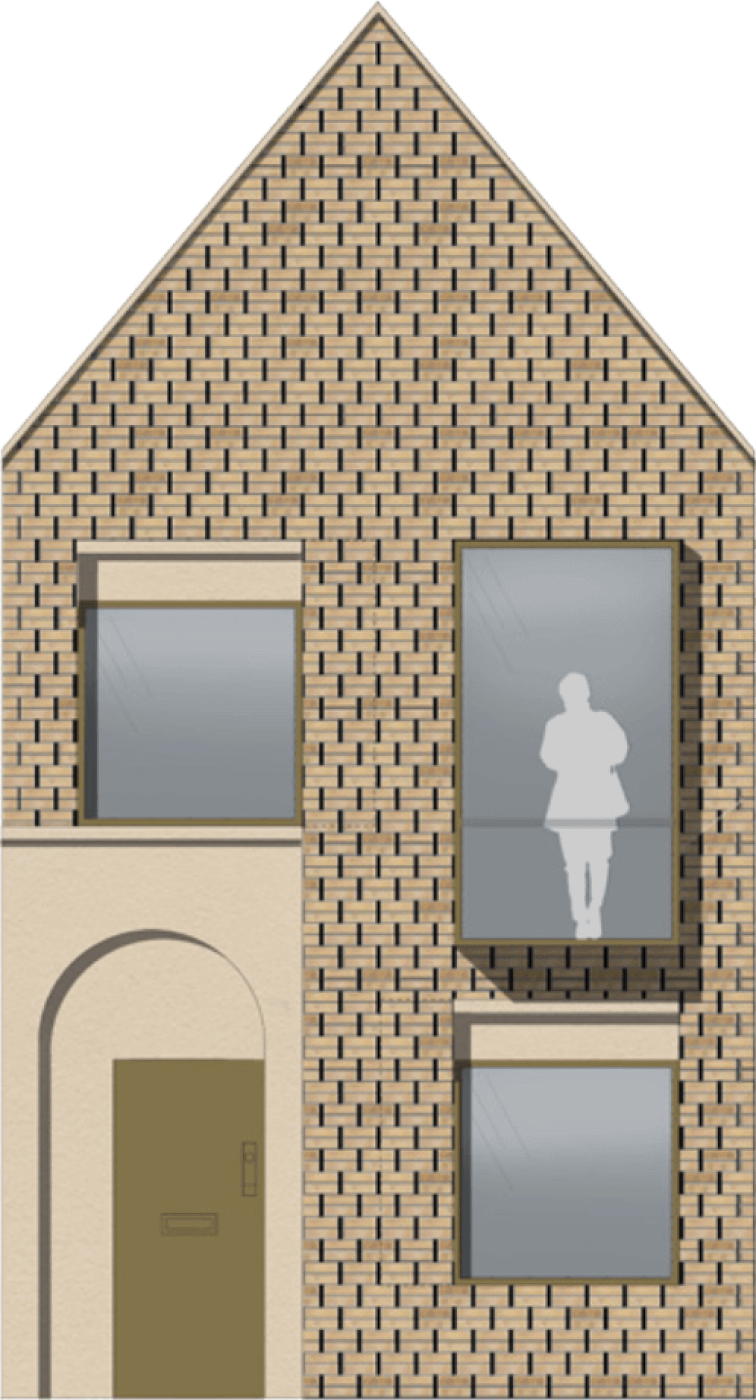
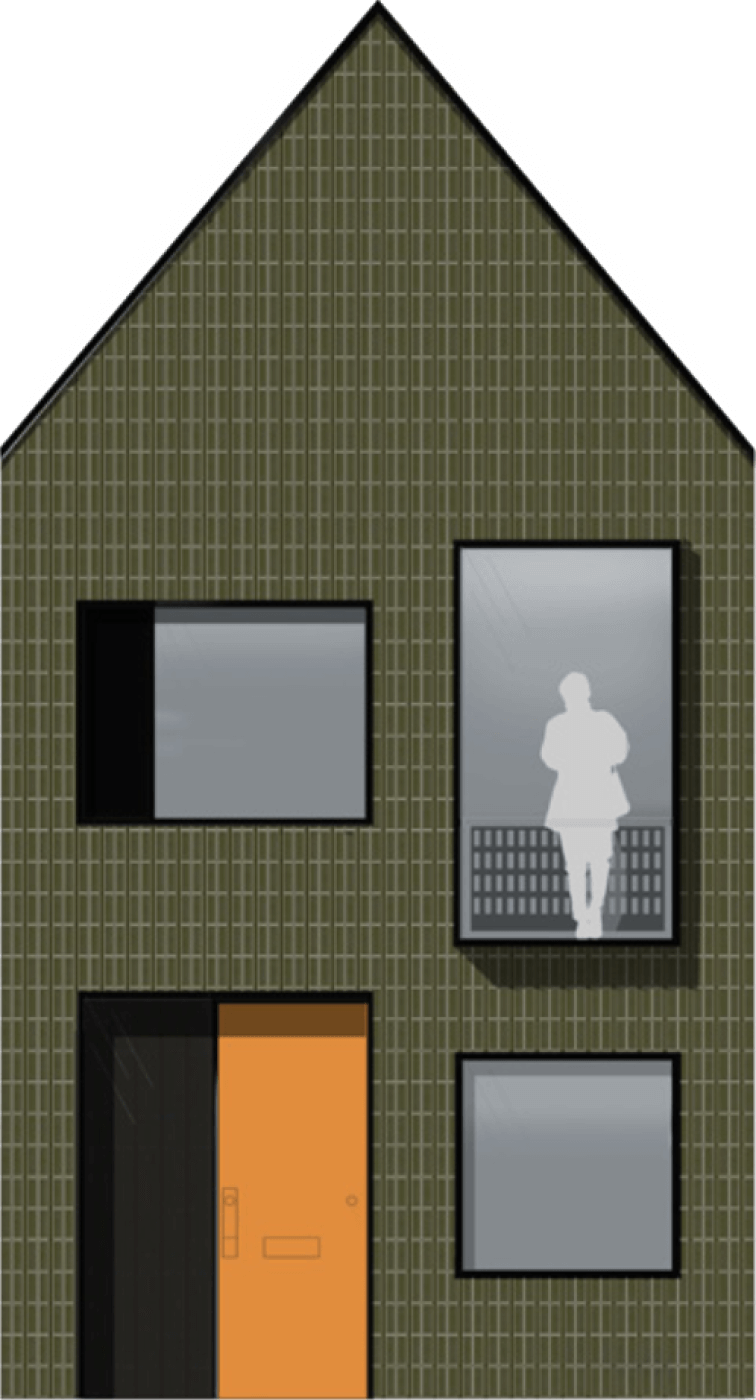
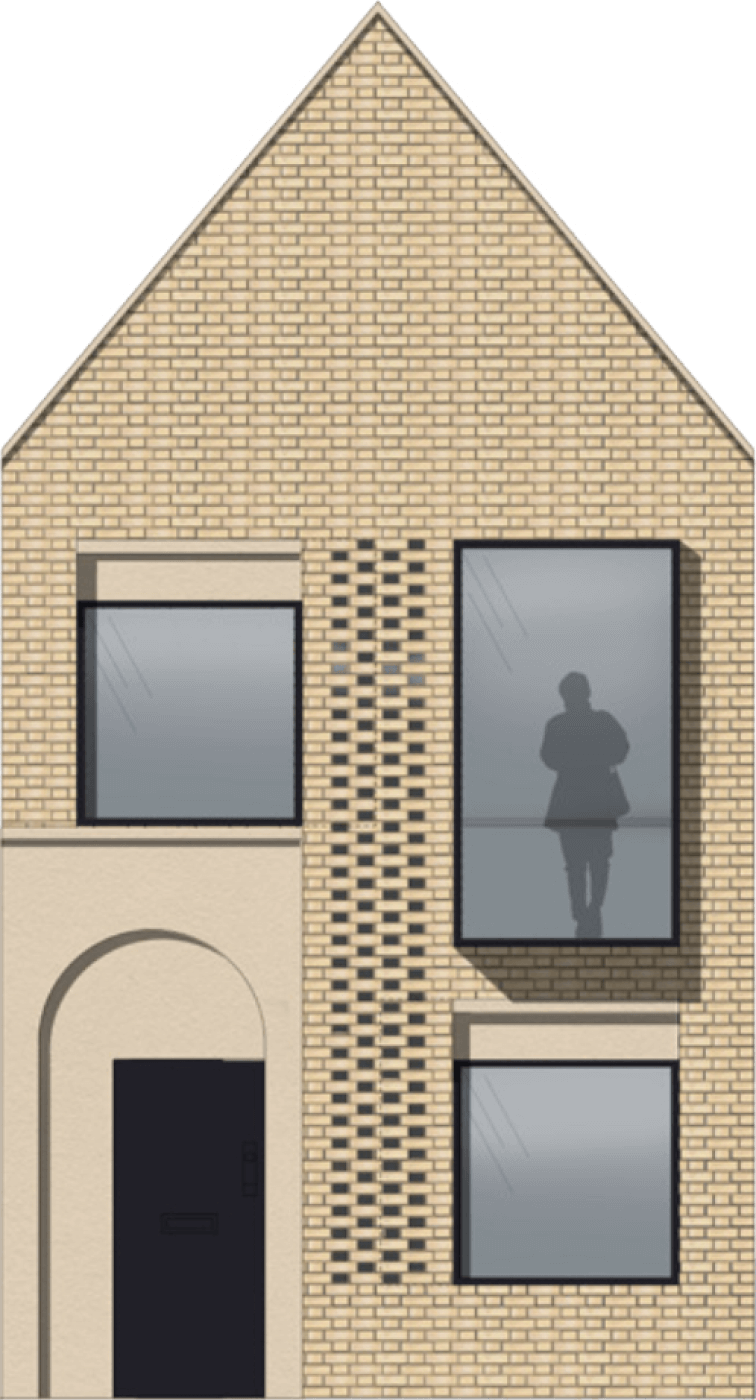
Modular units with interchangeable façades—ranging in brick bond, colour, and detail—to respond to local context while ensuring efficient delivery.
efficient build
Modular ‘Biscuit’ Façade
System for exterior
Low-Carbon Build and Sustainable Materials
Fast Assembly with
Offsite Manufacturing
a .
F .
R .
o .
who we serve
( B )
( A )
( C )
Developers
and Investors
Communities and
Cultural Life
Housing Authorities
and Governments
Supports intergenerational living, home working, and cultural needs.
Mass-customisation model maximises land value without standardisation.
Drives up housing quality in line with Garden City principles.
Creates jobs through local, low-skill-accessible build methods.
Designs built to low-carbon standards—attractive for ESG investment.
Enables quicker planning and delivery via a “pattern book” approach.
Ensures dignified, resilient homes with room for future retrofits.
Construction suited for phased, modular delivery at scale.
Local façade variations promote stronger place-based identity.